
A gas furnace that is sized to the house and serviced every year lasts 15 to 20 years. Some reach 25. One that is oversized, run through winters on a loaded filter and never looked at can be done at 12. In Ottawa, read those numbers with one adjustment: the heating season here runs from October to April, so a furnace in Nepean or Orléans logs more hours in a calendar year than the same unit would in Hamilton or Windsor. An Ottawa furnace at 15 has done the work of a southern Ontario furnace at 17 or 18.
Which parts wear out, and roughly when
A furnace does not fail all at once. Its parts have their own lifespans, and knowing them turns a surprise into a schedule. Prices are typical Ottawa-area figures for 2026, parts and labour.
- Hot-surface igniter: a brittle ceramic element that glows to light the gas. Typically the first thing to go, anywhere from year 5 to year 10, and a stocked part. $220 to $380.
- Flame sensor: rarely fails outright; it fouls. Cleaned at every service, replaced for $160 to $270 if the rod is pitted.
- Capacitor: starts the blower motor. Fails in heat, often in the first August the air conditioner shares the blower. $160 to $270.
- Pressure switch: proves the inducer is moving flue gas. $220 to $380, and often misdiagnosed when the real fault is a frozen condensate line or a snow-blocked termination.
- Inducer motor: the small fan that draws combustion air through the exchanger. Bearings go somewhere around year 10 to 15. $480 to $850.
- Blower motor: year 12 to 18 for a standard motor; variable-speed ECM motors last well but cost more when they go. $550 to $1,000.
- Control board: can go at any age, more often after a power surge or a water leak from the condensate trap above it. $480 to $900.
- Heat exchanger: the part that defines the end. On a furnace past 12 years, replacing it costs most of a new furnace and is rarely worth it.
What is sitting in Ottawa basements right now
- The 1960s bungalows in Alta Vista, Nepean and Gloucester have mostly been through at least one furnace already. Many carry an 80 percent mid-efficiency unit from the 1990s or early 2000s. Those are at or past 20 and burn roughly a fifth more gas than a new furnace would, every winter.
- The subdivisions built across Kanata, Barrhaven, Orléans and Stittsville between the late 1990s and the early 2010s came with builder-grade high-efficiency furnaces chosen on price. They are at the 10 to 20 year mark, where inducer motors, blower motors and boards start to go, and the question each winter is whether the next repair is worth it.
- The century homes of Centretown, the Glebe and Sandy Hill often have a furnace that was sized to the old oil or coal conversion rather than to the house. Oversized furnaces short-cycle, and short-cycling takes years off igniters, blowers and heat exchangers.
Habits that take years off a furnace
- No annual service. Dirt on the burners, a fouled flame sensor, a sludged condensate trap and a loaded blower wheel all make the furnace work harder for every hour of a seven-month season. An annual tune-up is the single largest factor in reaching 20.
- A filter changed once a year. A blocked filter starves the heat exchanger of airflow, the exchanger overheats, the limit switch trips, and repeated overheating is how heat exchangers crack.
- Oversizing. Discussed above, and more common in Ottawa's older housing than anywhere.
- Blocked terminations. Snow over the intake, a bird nest in the exhaust, a frozen condensate line: each one shuts the furnace down and stresses the pressure switch and the board.
- A humidifier left high through the shoulder seasons, which rusts the cabinet and the exchanger from the inside.
- A damp basement. Corrosion is faster in a wet room, and a furnace sitting on a floor that floods in the spring thaw does not reach 20.
Signs it is on its last winter
- A different repair every winter.
- Gas bills rising with no change in the weather or the thermostat.
- Rooms at the end of the duct run that never warm up, with the furnace running most of the night.
- Short cycling, a bang on ignition, a flame that is yellow or lifting rather than steady and blue.
- Rust flakes, soot or water around the cabinet.
- A carbon monoxide alarm, or a technician finding a crack in the heat exchanger. That is not a warning sign. That is the end, and no competent technician will leave the furnace running.
Make the end your decision
The furnaces that cost their owners the most are the ones that choose their own retirement date, usually a Saturday night in January with the house at minus 28 outside. If yours is past 15, get the replacement priced in September and decide on your own schedule: compare quotes, get the heat-loss calculation, claim what is open. The rule for weighing one more repair against a new unit, with the repair prices beside the installed ranges, is in fix the furnace or replace it?.
If you do not know which side of the line your furnace is on, a repair visit includes an honest reading of its age and condition, and a furnace installation quote can be done on the same trip.
Prepared by the 343 HVAC technical team as general guidance for homeowners. It is not a diagnosis of the equipment in your house. Call to talk through your own heating system.
Services this guide relates to
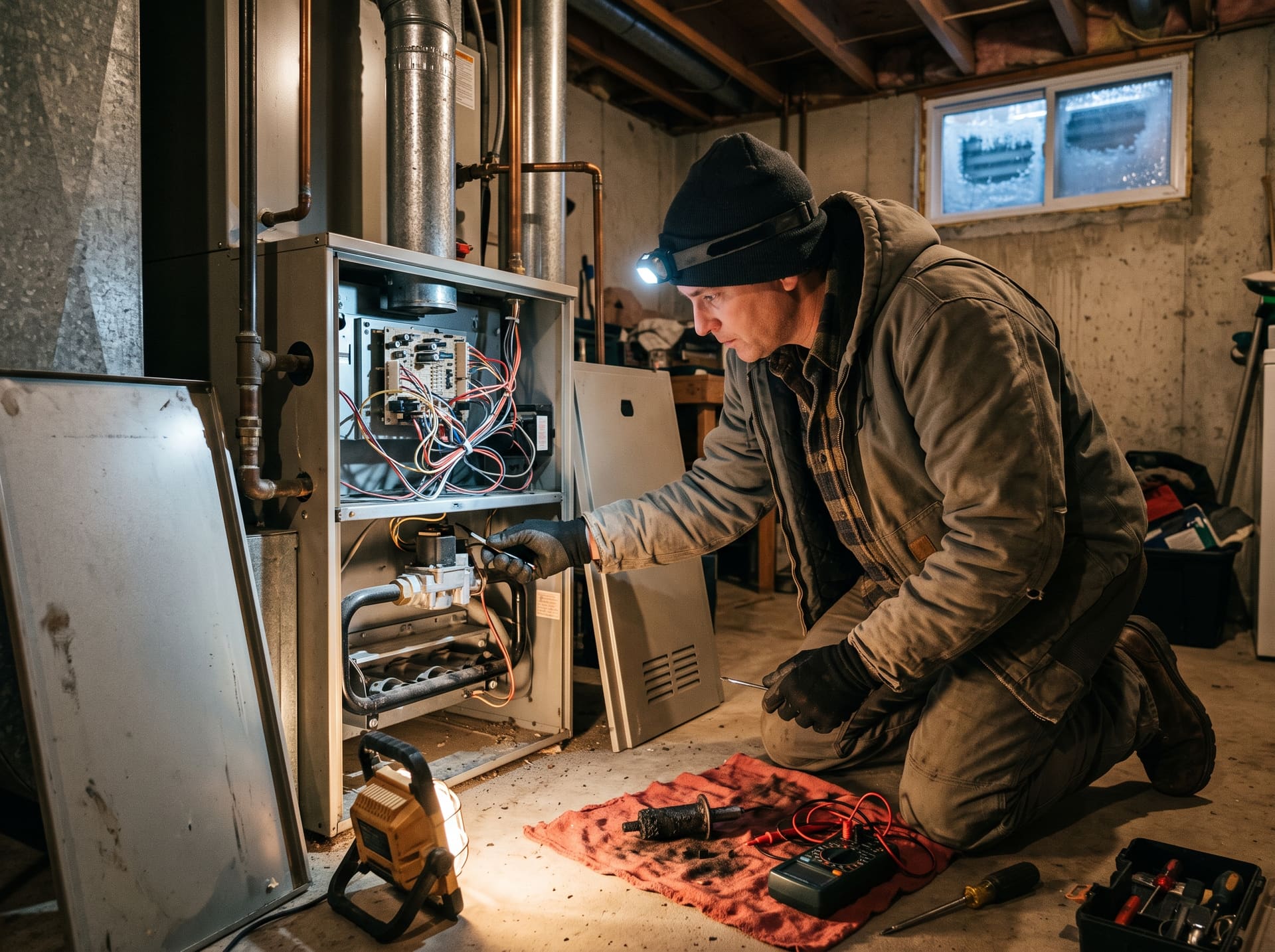
Repair
Furnace Repair
A furnace that quits in an Ottawa cold snap needs a technician who finds the real fault the first time. We repair every make of gas and propane furnace, explain what failed and why, and put the price in writing before the part goes in. Same-day calls across Ottawa, Nepean, Stittsville and the surrounding communities.
Learn more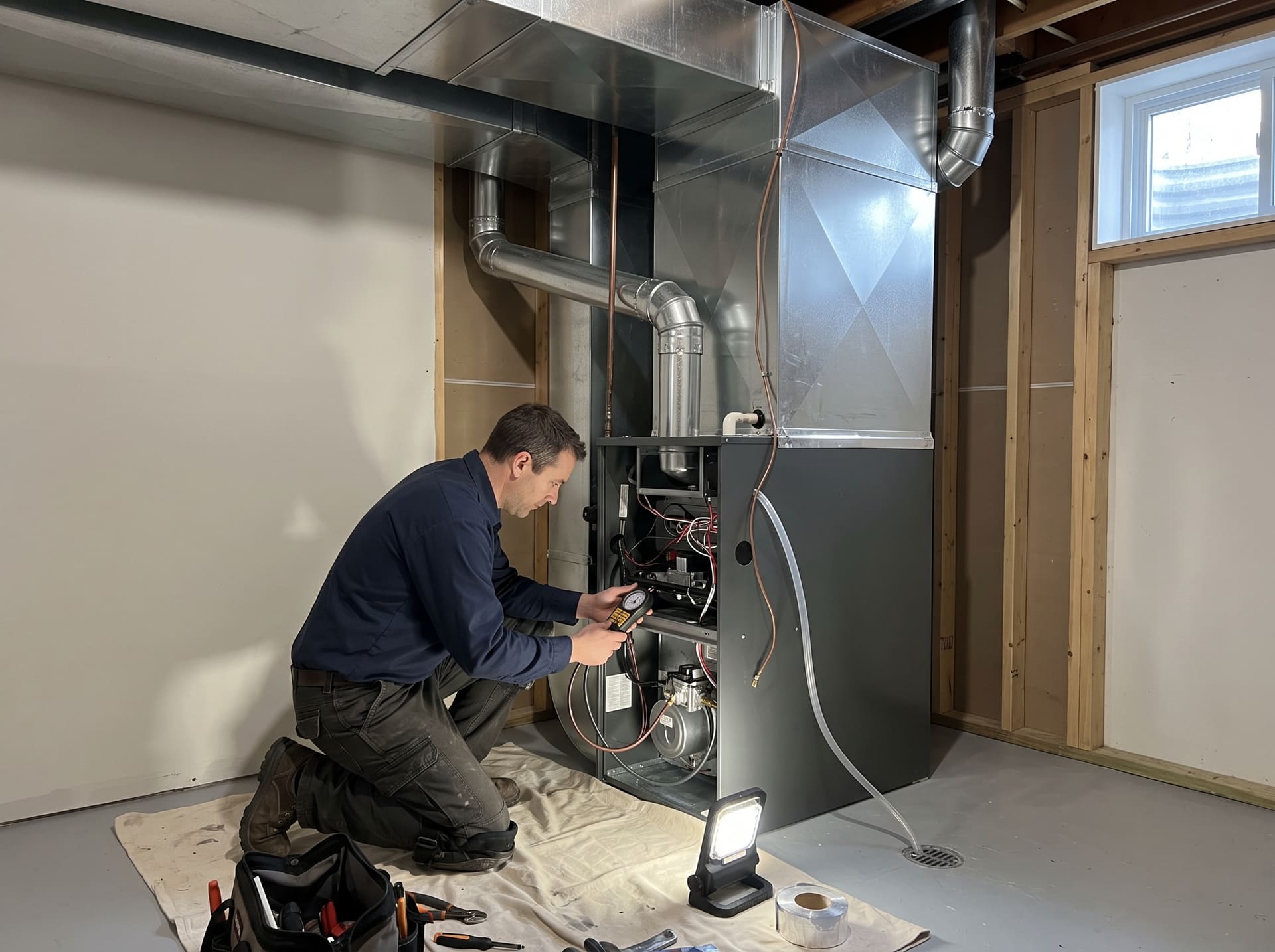
Installation
Furnace Installation & Replacement
Ottawa is among the coldest capitals in the world, and between November and April the furnace is the one appliance a house cannot be without. We replace worn-out furnaces and fit new ones that are measured to the home rather than copied from the old nameplate, across Ottawa, Kanata, Nepean, Orléans and the surrounding communities.
Learn more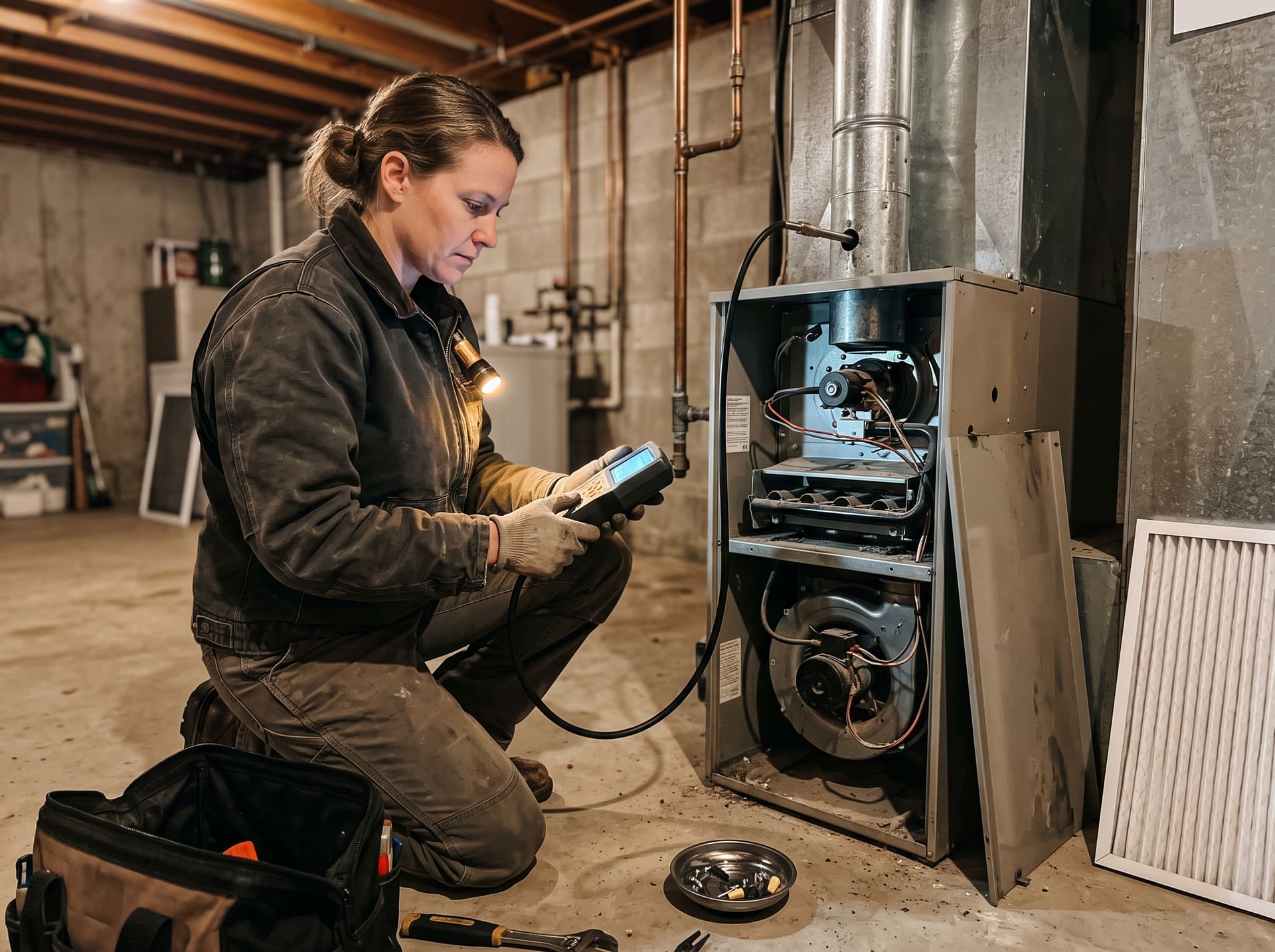
Maintenance
Furnace Maintenance & Tune-Ups
The first -20 night of the year is when Ottawa furnaces give up, because it is the first time all season they run flat out for hours. A proper service in the fall finds the weak igniter and the fouled flame sensor while the weather is still forgiving. We service furnaces in Ottawa, Barrhaven, Gloucester and the surrounding communities.
Learn more


